Unity gets rewarded
 B
B
Last Sunday I wrote that the dollar no longer reacted to hawkish news. This week it did. The dollar index rose 1.3 percent. But look at why, and you see something more important than the dollar itself. The market has stopped listening to what central banks say. It counts the votes.
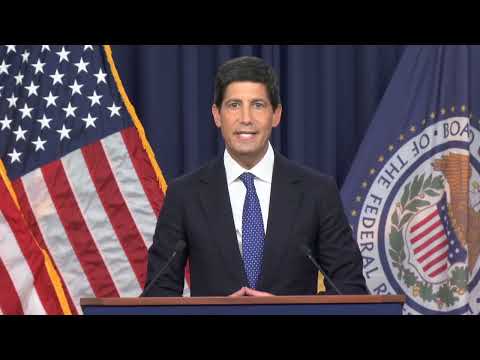
1The Fed: the unity was the messageThe hike to 4.00 percent was priced in at 90 percent, no story there. What hit was two things. The vote: 12 to 0. And the projection for 2027: 4.1 percent, up from 3.6 in June. So no cuts next year either. Warsh left his own dot in the dot plot blank, again, and said outright that he is not in the forward guidance business. Gold fell 100 dollars within half an hour.
But here is what few commented on: the 10-year yield, which had gone above 5 percent for the first time since 2007 in the days before the decision, fell back to 4.94 after it. The Fed said "higher for longer", and the long yield fell. That is not a contradiction. The bond market pays for credibility, not for low rates. Last week I wrote that the state buys and the market sells. The Treasury's 6 billion buyback didn't bite. Twelve unanimous votes did.
2Japan and England: the split was the messageThe Bank of Japan hiked to 1.25 percent, the highest in 31 years. The yen still fell 1.2 percent. Not because the hike was wrong, but because two board members voted against, both appointed by Prime Minister Takaichi, and because Ueda refused to say anything about the pace ahead. The market read it as politics sitting at the table. The same day the Bank of England held at 3.75, but three of nine wanted to hike. The pound weakened.
Put it together. The dollar won the week not on its own strength but because the others looked weaker. One united central bank was rewarded, two divided ones were punished. It is the simplest explanation I can find for this week's currency moves, even though the dollar index is measured against precisely the yen and the pound, and Japan had more reasons to fall than the vote. It is a reading worth testing into the autumn, with the Riksbank as the first trial.
3The dollar as a weapon: the next act plays in WashingtonBRICS signed off on its payment system last weekend. This week that front was quiet, but next week Xi Jinping visits the US. It is the first time since the sanctions threat against countries trading with Iran, and one week after China signed up for trade in local currencies. I don't expect headlines about the dollar, but it is in those meetings the pipes get laid.
Oil: the market found a way aroundBrent peaked at 108 on Monday when Saudi Arabia's pipeline to the Red Sea was knocked out. Then the interesting part happened: the Saudis started shipping 2.8 million barrels a day through Hormuz, against 0.7 in August, and transferred cargo to tankers outside the strait. Brent closed the week at 103. Above 100 all week, but the market learned that supply finds a way. That is also why the long yield could fall on Friday.
The week ahead- Thursday: the Riksbank. CPIF at 0.7 percent, the rate is expected to stay at 1.75. Sweden stands still while the world hikes, and the krona takes the hit.
- Friday 14:30 CET: PCE, the Fed's own inflation measure. The first print after the hike.
- Xi Jinping in the US. Watch what is not said about the dollar.
- More than ten Fed officials speak. After Warsh's silence, every word will be parsed.
Three central banks, three decisions, one single explanation for how the market reacted: the votes. The Fed was united and got both a stronger dollar and a lower long yield. Japan and England were divided and got weaker currencies despite hawkish policy. As long as oil stays above 100, every rate decision will be a credibility test rather than a rate decision. Next week it is the Riksbank's turn, and it cannot afford to look divided.
 ▶
▶